
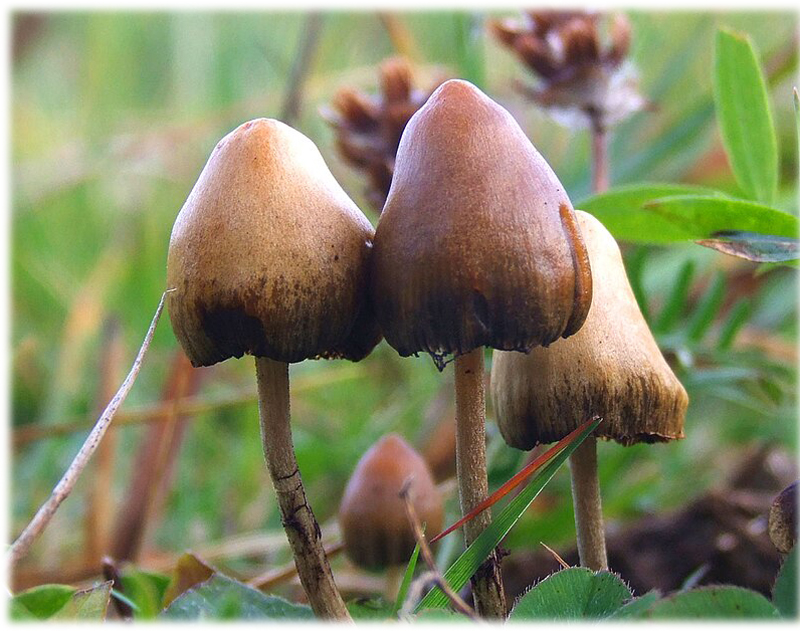
Approved psychiatrists can now prescribe MDMA to those suffering post-traumatic stress disorder and magic mushrooms for some types of depression, reports BBC.
Experts told BBC there is still the risk of a "bad trip", which is when the user has an unpleasant experience while under the influence of drugs.
Clinical trials of the mushrooms are also underway in the US, Canada and Israel.
Under the new regulations which became official in Australia on 1 July, approved psychiatrists can prescribe MDMA for post-traumatic stress disorder (PTSD) and psilocybin for depression that has resisted other treatments, reports BBC.
Australia's Therapeutic Goods Administration (TGA) said it will permit the prescribing of MDMA for the treatment of post-traumatic stress disorder and psilocybin for treatment-resistant depression. These are the only conditions where there is currently sufficient evidence for potential benefits in certain patients.
"Prescribing will be limited to psychiatrists, given their specialised qualifications and expertise to diagnose and treat patients with serious mental health conditions, with therapies that are not yet well established. To prescribe, psychiatrists will need to be approved under the Authorised Prescriber Scheme by the TGA following approval by a human research ethics committee. The Authorised Prescriber Scheme allows prescribing permissions to be granted under strict controls that ensure the safety of patients," read the statement.
The decision acknowledges the current lack of options for patients with specific treatment-resistant mental illnesses.
It means that psilocybin and MDMA can be used therapeutically in a controlled medical setting.
However, patients may be vulnerable during psychedelic-assisted psychotherapy, requiring controls to protect these patients.
For these specific uses, psilocybin and MDMA will be listed as Schedule 8 (Controlled Drugs) medicines in the Poisons Standard. For all other uses, they will remain in Schedule 9 (Prohibited Substances) which largely restricts their supply to clinical trials.
The decision follows applications made to the TGA to reclassify the substances in the Poisons Standard, extensive public consultation, a report from an expert panel, and advice received from the Advisory Committee on Medicines Scheduling.
There are currently no approved products containing psilocybin or MDMA that the TGA has evaluated for quality, safety and efficacy.
" However, this amendment will allow authorised psychiatrists to access and legally supply a specified ’unapproved’ medicine containing these substances to patients under their care for these specific uses," read the statement.