
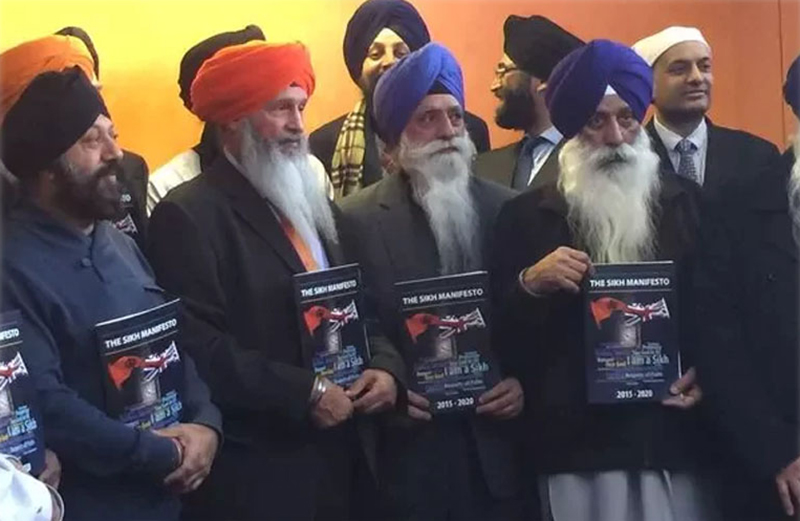
This body, professing to champion Sikh identity, education, and advocacy, is in the spotlight for all the wrong reasons. A disconcerting examination of SFUK’s actions and rhetoric raises profound questions about its true agenda and the implications for the broader Sikh community in the UK.
Lately Sikh Federation UK had been advocating for a Sikh ethnic group in the UK census, saying that is what the Sikh population in the UK wants. However, recent revelations have severely dented SFUK’s efforts and credibility. A report by the Network of Sikh Organizations on December 18, 2023, shed light on the staggering decline in the number of individuals identifying their ethnic group solely as ‘Sikh’ in the UK Census. This drop, coupled with the perplexing religious affiliations of this group, underscores the absurdity of SFUK’s long-standing campaign for ethnic categorization, which seems detached from the core principles of Sikhism.
However, the issues with SFUK run deeper than skewed census campaigns. The organization has been accused of using its platform and resources to propagate Khalistani extremism, a separatist ideology demanding a Sikh homeland. This divisive agenda is pushed under the guise of cultural preservation, with funds ostensibly collected for noble causes being diverted to fuel hate, misinformation, and separatist activities.
SFUK’s social media channels and public activities offer a disturbing insight into this agenda. The distortion of historical narratives, and promotion of Khalistan as the ultimate goal dominate the discourse. Such activities not only misrepresent the Sikh community’s interests but also jeopardize and undermine the community’s its standing in the international arena.
The Colin Bloom report further highlights the insidious overlap between certain Sikh groups in the UK and proscribed extremist entities. The report exposes a small yet vocal and aggressive faction within the British Sikh community that advocates for Khalistan, often resorting to violence and intimidation. This extremist minority, with its ethno-nationalist agenda, is at odds with the inclusive and peaceful teachings of Sikhism.
Adding to the controversy is SFUK’s treatment of Lord Indarjit Singh, a respected figure within the Sikh and broader British community. Lord Indarjit’s opposition to classifying Sikhs as an ethnic group in the British Census, advocating instead for the recognition of Sikhism in the religion category, has made him a target of SFUK’s ire. His stance, emphasizing the universality of Sikhism and cautioning against the potential for increased discrimination through ethnic classification, has been met with hostility rather than discourse. This behavior by SFUK not only undermines the principles of dialogue and respect within the Sikh community but also raises questions about the organization’s commitment to the community’s genuine interests.
SFUK’s actions betray the core values of Sikhism—universal brotherhood, tolerance, and service. Instead of fostering unity and understanding, the organization is accused of sowing division, promoting a narrow nationalist narrative, and alienating those within the community who dare to question or oppose its agenda. The impact of this toxic narrative is most concerning for the younger generation of Sikhs in the UK, who risk inheriting a legacy of bitterness and division instead of the rich, inclusive heritage of their faith.
The time is ripe for the silent majority of moderate, mainstream Sikhs to speak out and reclaim the narrative that has been hijacked by a fringe element. It is imperative to redirect resources towards genuine educational initiatives, interfaith dialogue, and the celebration of Sikhism’s true essence. The Sikh community must stand united to ensure that the saffron turban, a symbol of faith and courage, is not misappropriated as a cover for bigotry and division.
While the SFUK purports to represent Sikh interests, a closer examination reveals a troubling divergence from the community’s true values and needs. The organization’s activities and rhetoric not only undermine the Sikh community’s reputation and internal cohesion but also pose a threat to the community’s younger members, who deserve to inherit a legacy of peace, tolerance, and unity. It is crucial for the broader Sikh community in the UK to confront these challenges, restore its true narrative, and preserve the vibrant, inclusive essence of Sikh heritage for future generations.
(Image and text credit Khalsavox.com)