
Temperatures in several countries have crossed 40°C, shattering historic records and triggering widespread disruption to daily life and infrastructure.
Rising death toll and health crisis
According to the World Health Organization (WHO), more than 1,300 excess deaths have been recorded since June 21, linked to extreme heat across Europe.
The toll includes children who died after being left in locked cars and young people who drowned while attempting to cool off in unsupervised swimming areas.
In Paris, mortuaries and funeral homes have reportedly been overwhelmed by a surge in heat-related fatalities.
France has also recorded at least 74 drowning deaths since June 18. While temperatures have begun to ease in parts of the country, the national weather service has warned that another heatwave is expected in July.
Record-breaking temperatures across Europe
The heatwave, which initially struck western Europe last week, has now moved eastwards, breaking temperature records in multiple countries.
Germany recorded temperatures above 41°C, while the Czech Republic crossed 40°C.
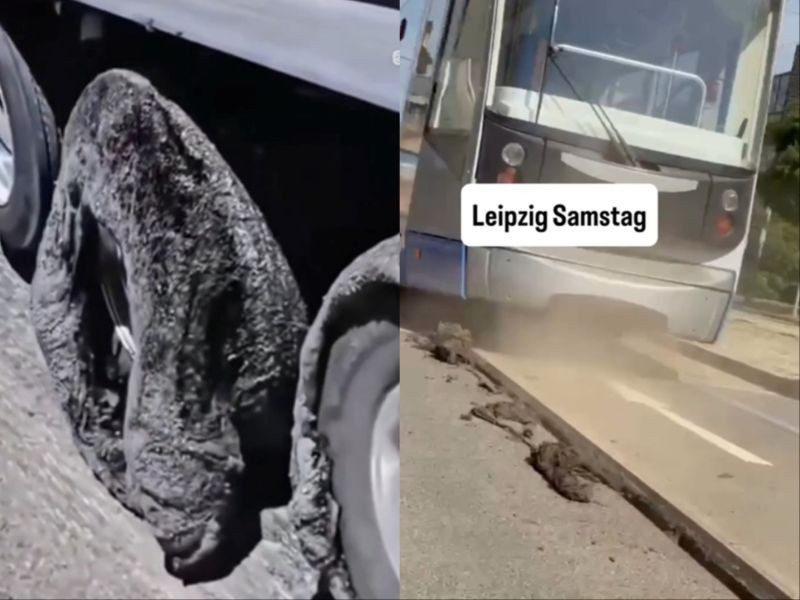
🌡 Extreme heat brings all trams in Germany's Leipzig to a halt
— NEXTA (@nexta_tv) June 28, 2026
Extreme heat has melted the sealant between asphalt and concrete. It seeped into the tram tracks and hardened, making tram operations unsafe.
All tram services across the city have been suspended until at least… pic.twitter.com/5vOzn7ihNx
Poland has also reported record highs as the scorching conditions spread across the region.
In Switzerland, Basel recorded 38.8°C, while Denmark experienced its hottest day since records began in 1874.
The United Kingdom registered its hottest June day on record, highlighting the scale of the heatwave’s impact.
Slovakia reported a record 41°C in Turna nad Bodvou, according to the Slovak Hydrometeorological Institute. In Hungary, temperatures reached 41.8°C in Aszod, just shy of the country’s all-time high.
Governments and infrastructure under pressure
Authorities across Europe have been forced to implement emergency measures. In Hungary, officials advised public sector employees to work from home where possible and urged restaurants to distribute drinking water, while recommending that air-conditioned public spaces remain open.
Ukraine’s already strained energy grid, damaged by ongoing conflict, has come under additional pressure due to the extreme heat, leading to emergency power outages. Meteorological authorities warned of continued intense heat with forecasts of 35°C–38°C.
Viral scenes across the continent
Social media videos have highlighted the severity of the situation, showing eggs being cooked on outdoor pans, plastic surfaces deforming, and shopping carts and footwear melting under the sun.
In Germany, footage showed roads melting and tram tracks bending out of shape due to extreme temperatures.
🥵 Germany is literally melting in the heat
— NEXTA (@nexta_tv) June 29, 2026
In Leipzig, the extreme temperatures caused the sealant used around tram tracks to melt. It seeped into the rails and track switches before hardening into large clumps.
This is what the record-breaking heatwave is doing to Germany👇 pic.twitter.com/LfbLkCRGml
In Berlin, police reportedly used water cannons, with residents gathering beneath them to cool off.
Similar visuals from the Netherlands showed heat-related damage to vehicles and public infrastructure, underscoring the widespread impact of the extreme weather event.
🥵 Germany is literally melting in the heat
— NEXTA (@nexta_tv) June 29, 2026
In Leipzig, the extreme temperatures caused the sealant used around tram tracks to melt. It seeped into the rails and track switches before hardening into large clumps.
This is what the record-breaking heatwave is doing to Germany👇 pic.twitter.com/LfbLkCRGml