
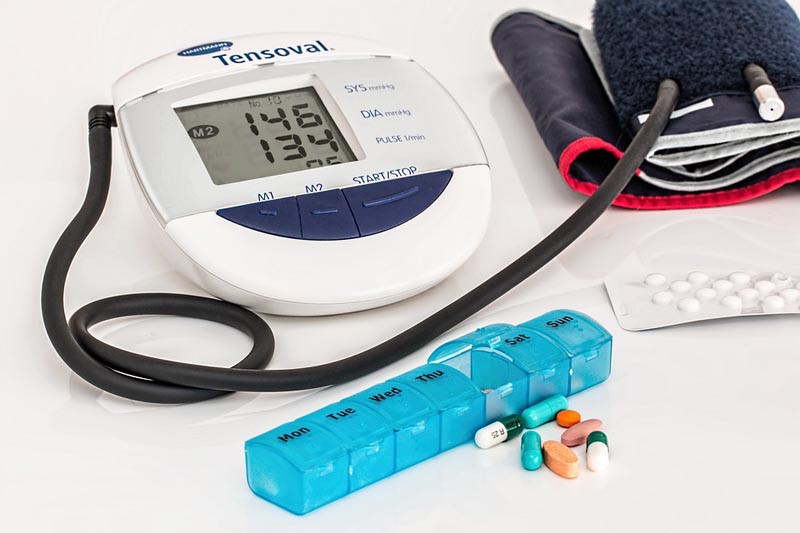
The new scientific statement, Single-Pill Combination Therapy for the Management of Hypertension, details the latest clinical evidence surrounding the use of single-pill combination medications for patients with high blood pressure, strategies to implement single-pill combinations into clinical practice and knowledge gaps that require further investigation, reported American Heart Association’website.
According to the 2025 American Heart Association Statistical Update, nearly half of U.S. adults, about 122 million people, have high blood pressure, defined as blood pressure measures equal to or higher than 130/80 mm Hg. High blood pressure is the #1 modifiable risk factor for cardiovascular disease and it is a leading cause of heart attack, stroke, heart failure, kidney disease, cognitive decline and dementia.
The recently published 2025 AHA/ACC High Blood Pressure Guideline recommends combining healthy lifestyle behaviors and early treatment with one or more blood pressure medications to lower blood pressure, if necessary. For people with blood pressure levels 140/90 mm Hg or higher (stage 2 hypertension), the guideline recommends beginning treatment with two medications at once – preferably in a single combination pill.
“Most people with high blood pressure need two or more blood pressure medications to reach target blood pressure measurements; however, taking multiple pills each day can be confusing or hard to keep up with,” said Jordan B. King, Pharm.D., M.S., chair of the scientific statement writing group and an associate professor of population health sciences at the University of Utah in Salt Lake City. “Single-pill combination pills are valuable tools to manage high blood pressure. Individuals taking a single combination pill are able to achieve optimal blood pressure levels sooner than peers who take the same medications in separate pills.”
The statement authors note that single-pill combination medications are not the same as a “polypill.” Single-pill combination medications combine two or more blood pressure medications into a single pill, whereas polypills combine one or more blood pressure medications with statins (cholesterol-lowering medication) and/or aspirin. Polypills aim to reduce cardiovascular risk for patients requiring multiple preventive therapies.
There are several types of effective medications to treat high blood pressure, including angiotensin-converting enzyme (ACE) inhibitors, angiotensin II receptor blockers (ARBs), calcium channel blockers and thiazide-type diuretics which are first-line recommended medications. However, less than 50% of U.S. adults who have been diagnosed with and are being treated for high blood pressure achieve the recommended blood pressure goal of less than 130/80 mm Hg.
“High blood pressure is challenging to manage for many people, and many people do not take their medication consistently. They may not be aware that untreated high blood pressure increases their risk of developing heart disease and other cardiovascular conditions—and that achieving and maintaining target blood pressure can significantly reduce their risk,” King said.
Benefits of Combination Medications
Simplified, faster treatment: A step-by-step prescribing approach involving multiple pills and adjusting doses takes time to achieve blood pressure targets. It is easier for people to consistently take medications as directed when there are fewer pills to manage. Using a single-pill combination medication of two or more blood pressure-lowering medications may simplify the process and help adults with high blood pressure reach target blood pressure levels more quickly.
Streamlined prescribing: Single-pill combinations streamline the prescribing process for clinicians by helping to reduce uncertainty around which medications to start and at what dosage. For most people with high blood pressure that requires medications, which could include some with stage 1 hypertension, the statement encourages clinicians to start with the preferred choice of a combination pill: either an ACE inhibitor or an ARB plus a calcium channel blocker.
Improved long-term heart health: Observational studies with follow-up periods ranging from 1-5 years have linked single-pill combination medication use with a 15%-30% lower risk of major adverse cardiovascular events, such as heart attack, stroke, heart failure-related hospitalizations and death. Prevention of cardiovascular events is also linked to a longer and improved quality of life.
Lower Costs: According to the American Heart Association’s 2025 Heart Disease and Stroke Statistics, the annual direct and indirect costs of cardiovascular disease in the United States were an estimated $417.9 billion. Improving blood pressure control could help lower health care costs for patients and health care organizations over time. Recent studies have found that combination pills are more cost-effective than taking the same medications in separate pills.
Barriers to Widespread Adoption
Prescriber awareness and concerns: Clinicians may have limited awareness of available combination therapies. Concerns about reduced flexibility in dosage adjustments have been also identified as a barrier to prescribing single-pill medications. Some clinicians prefer separate pills because it allows easier adjustment or discontinuation of an individual medication if adverse side effects occur.
Affordability and accessibility: Use of single-pill combination medications may be restricted by health insurance coverage and higher out-of-pocket costs for patients. Many insurers, including Medicare and Medicaid, continue to require the use of equivalent combinations prescribed as separate pills, despite the growing body of evidence demonstrating the cost-effectiveness of combination medications. Streamlining insurance coverage processes and lowering copayments for single-pill medications could help expand access for people with high blood pressure.
Limited evidence for high-risk populations: More research is needed to evaluate the safety and effectiveness of single-pill combination medications for people at higher risk of cardiovascular disease, such as individuals with resistant or secondary hypertension, chronic kidney disease, Type 1 or Type 2 diabetes or heart failure and older adults. Studies examining the efficacy of single-pill combinations among higher-risk groups will better inform treatment in more complex cases and help guide clinical decision-making in the future.
Currently, there are approximately 200 unique combinations of blood pressure medications used by patients in the U.S. The four most commonly used medications are currently available as single-pill combinations. Expanding options for the medications combined within single-pill combination medications and developing additional triple and quadruple combinations may further simplify treatment and improve patient outcomes, the statement notes.
“If single-pill combinations were the norm rather than the exception, there could be a meaningful improvement in blood pressure control across the population, which could significantly reduce the risk of heart attacks and strokes. In the long run, better blood pressure control lowers health care costs for patients and society, enhances quality of life and improves health outcomes for the millions of people with high blood pressure,” King said.
This scientific statement was prepared by the volunteer writing group on behalf of the American Heart Association’s Council on Hypertension; the Council on Cardiovascular and Stroke Nursing; and the Council on Clinical Cardiology. American Heart Association scientific statements promote greater awareness about cardiovascular diseases and stroke issues and help facilitate informed health care decisions. Scientific statements outline what is currently known about a topic and what areas need additional research. While scientific statements inform the development of guidelines, they do not make treatment recommendations. American Heart Association guidelines provide the Association’s official clinical practice recommendations.