
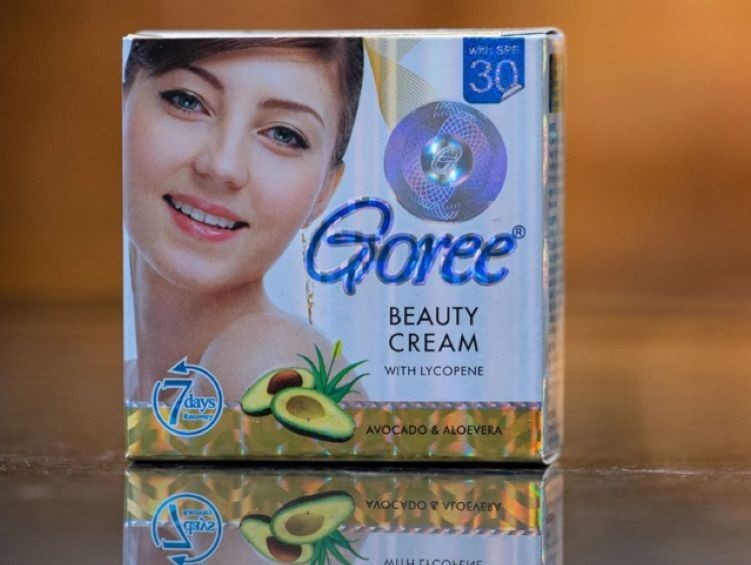
The products were also found to be unauthorised for sale in India and lacked the required import registration.
Which Pakistan-made creams have been flagged?
The Central Drugs Standard Control Organisation (CDSCO) has specifically named Goree Beauty Cream and Chandni Whitening Cream, both manufactured in Pakistan, in its public health alert.
The notice, issued by the CDSCO Cosmetics Division on September 8, warned consumers against purchasing or using the two products, NDTV reported.
According to the regulator, testing and analysis found excessive levels of heavy metals beyond specified limits in the creams.
Creams not registered for import in India
The CDSCO said the two products were not authorised for sale in India and had not been issued the required registration certificates for import by the competent authority.
Under India's Cosmetics Rules, 2020, imported cosmetics must meet prescribed regulatory requirements and obtain registration from the Central Licensing Authority.
The regulator has directed enforcement authorities to ensure that the two products are not sold, distributed or advertised in their jurisdictions.
Why are heavy metals in skin creams a concern?
Certain heavy metals can be toxic to the human body, particularly when exposure is prolonged or repeated.
Some skin-lightening products have previously been associated with substances such as mercury, which can affect the nervous system and kidneys.
However, the CDSCO's latest notice does not specify which heavy metals were detected in Goree Beauty Cream or Chandni Whitening Cream, nor does it disclose their measured concentrations.
The alert therefore establishes a regulatory safety concern but does not by itself establish what specific health effects the products may have caused in consumers.
No confirmation of kidney damage linked to creams
While certain heavy metals, including mercury, can affect kidney function after prolonged exposure, the CDSCO notice does not say that either of the two creams caused kidney disease.
Claims linking the products to kidney problems in Nagpur or elsewhere would require separate medical and regulatory evidence.
The regulator has described the excessive heavy-metal content as a potential health risk, including possible toxic effects.
How did the creams enter India?
The CDSCO notice does not identify an importer, distributor, smuggler or specific route through which the Pakistan-made products reached the Indian market.
The absence of the required import registration means the products were not authorised for import and sale in India under the applicable rules.
The alert has nevertheless raised broader concerns over the circulation of unauthorised cosmetics and the need for stronger surveillance of imported beauty products.
Nationwide enforcement ordered
The public health alert has been circulated to State and Union Territory Drugs Controllers, as well as CDSCO zone, sub-zone and port offices.
Enforcement units have been asked to take steps to ensure that the identified products are not sold, distributed or advertised.
The regulator has also warned establishments and individuals against dealing in the two creams.
What should consumers do?
CDSCO has advised consumers not to purchase or use Goree Beauty Cream or Chandni Whitening Cream.
Consumers buying imported cosmetics should also check:
Manufacturer and importer details
- Batch number and expiry date
- Product labelling
- Import registration details
- Manufacturing or licensing information
Anyone who has already used one of the flagged products and develops persistent skin irritation, swelling, unusual pigmentation or other concerning symptoms should consult a doctor or dermatologist.
For those concerned about possible heavy-metal exposure, doctors should be told the exact product used, with the packaging retained if available.
Regulator's message: Avoid the two named products
The CDSCO alert is specifically directed at Goree Beauty Cream and Chandni Whitening Cream. It does not mean that all fairness or skin-whitening creams are unsafe.
The immediate message from the regulator is clear: consumers should avoid the two identified products, while enforcement authorities have been asked to prevent their sale and distribution in India.