
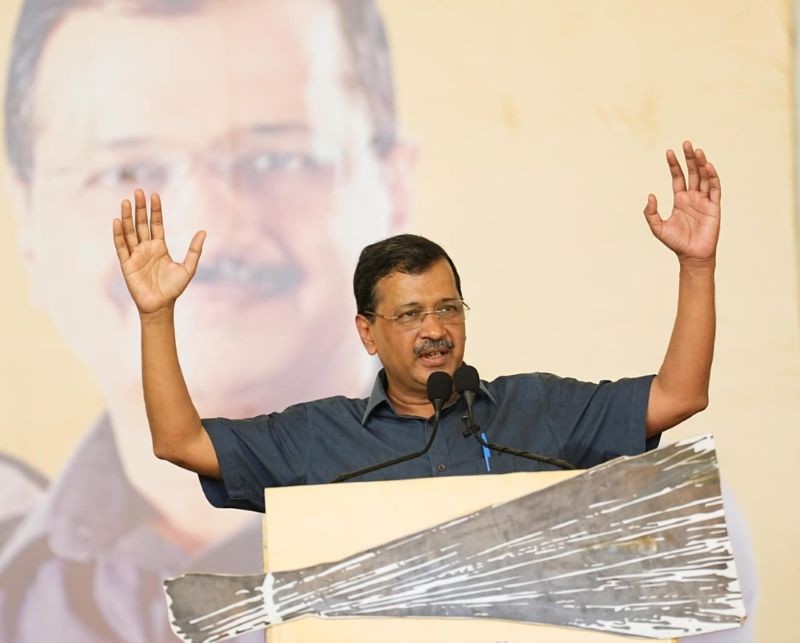
Dismissing former Chief Minister Arvind Kejriwal’s plea, the judge held that recusal cannot be granted on personal apprehensions without solid proof.
She underlined that judicial impartiality is presumed unless clearly disproven.
Strong words: ‘A lie repeated isn’t truth’
In a pointed observation, Justice Sharma warned that repeated allegations—whether in court or online—do not become facts, cautioning against attempts to influence judicial proceedings.
She said stepping aside would send a dangerous signal, allowing litigants to “manage justice” by choosing judges, ultimately weakening public trust in the judiciary.
Past reliefs, no bias then? Court questions timing
The court noted that AAP leaders, including Manish Sisodia and Sanjay Singh, had previously received relief without raising bias concerns—questioning why objections surfaced now.
CBI challenge keeps case alive
The case stems from a petition by the Central Bureau of Investigation challenging a lower court order that discharged all accused, including Kejriwal, in the now-scrapped excise policy case.
Justice Sharma made it clear: courts cannot function on suspicion or narrative, reinforcing that judicial duty must remain insulated from public and political pressure.