
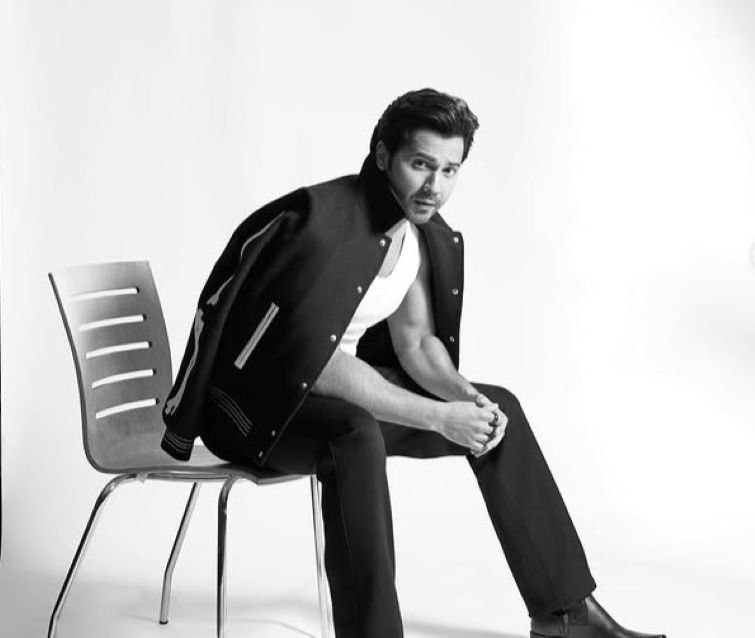
The actor has sought directions against unknown entities and individuals to prevent unauthorised use of his name, images, likeness, and other personal traits for commercial gain, including merchandise and AI-generated content.
Court to issue interim protection order
On Friday, the Delhi High Court indicated that it will pass an interim order safeguarding Varun Dhawan’s personality rights.
According to the court, any unauthorised use of material linked to the actor — including deepfakes, pornographic content, or merchandise — would be ordered to be taken down immediately.
The matter is being heard by Justice Jyoti Singh, who is overseeing the proceedings.
Links to infringing content submitted in court
Senior Advocate Sandeep Sethi, appearing for the actor, presented multiple links in court showing alleged violations of Dhawan’s personality rights.
The court directed the lawyer to compile and submit a detailed list of all infringing URLs and supporting material by the end of the day.
An interim protection order is expected to be issued in the meantime.
Rising concerns over AI misuse of celebrity identity
The case adds to a growing number of legal battles involving misuse of celebrity identities through artificial intelligence, deepfake technology, and digital manipulation.
In recent months, several high-profile personalities including Aishwarya Rai Bachchan, Abhishek Bachchan, and filmmaker Karan Johar have also approached courts seeking protection of their personality rights.
Singers such as Kumar Sanu and Asha Bhosle, along with actors like Salman Khan, Anil Kapoor, Akshay Kumar, and others have similarly moved courts against misuse of their name, voice, and likeness.
Delhi High Court at forefront of personality rights jurisprudence
The Delhi High Court has emerged as a key judicial forum shaping personality rights law in India.
Courts have increasingly recognised celebrities’ exclusive right to control commercial use of their identity, while also addressing newer challenges posed by AI-generated impersonation and deepfake content.
Judges have repeatedly noted that such misuse can harm privacy, dignity, and reputation, while also clarifying that legitimate artistic expression, satire, journalism, and commentary remain protected under constitutional safeguards.