
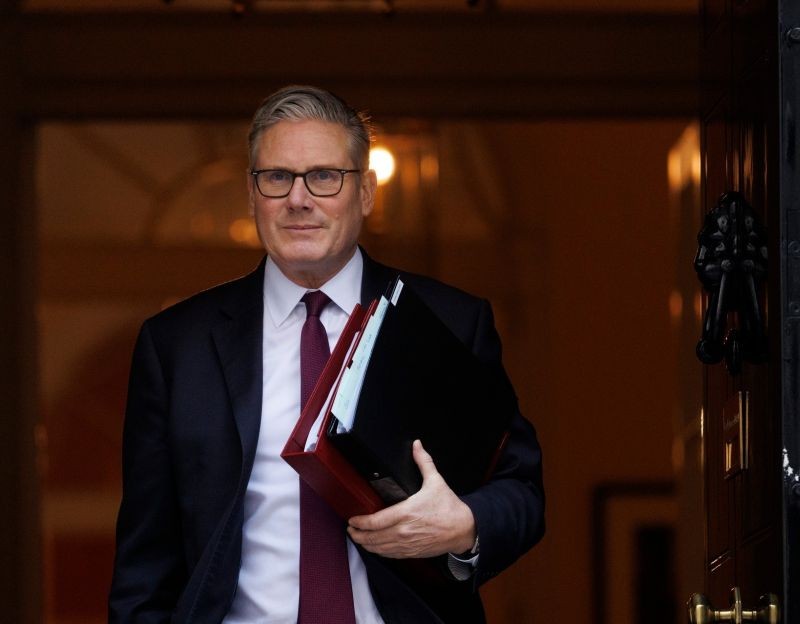
Prime Minister Keir Starmer said 35 countries have agreed to work together to restore maritime security and ensure the safe movement of ships through the vital route.
Why it matters
The Strait of Hormuz is one of the world’s most important oil transit points. Any disruption here has immediate global consequences—from rising fuel prices to broader economic instability.
Starmer warned that the ongoing crisis could have long-term effects similar to past energy shocks, potentially impacting economies for years.
What the UK is planning
The upcoming talks will focus on diplomatic and political solutions to restore safe navigation, protect stranded vessels and crews, and resume the transport of essential commodities.
Countries such as France, Germany, Italy, Japan, and Netherlands are among those supporting the initiative.
Following the meeting, military planners may also be involved to assess how to secure the route once the conflict subsides.
Trump criticises allies
US President Donald Trump has sharply criticised countries that did not support American strikes against Iran.
He urged affected nations to rely less on the US and take independent action to secure their energy needs, further straining relations with key allies, including the UK.
Despite the criticism, Starmer emphasized that the UK-US alliance remains strong, while reiterating that Britain will act in its own national interest.
Iran’s threat and global impact
Iran has warned it could target ships attempting to pass through the strait, effectively tightening its grip over a route that carries a significant portion of the world’s oil and gas.
The disruption is already fueling inflation concerns and putting pressure on major economies, particularly in Asia.
What’s next
While diplomatic efforts are underway, uncertainty remains high. The success of the talks—and any follow-up security measures—will be critical in determining how quickly normal shipping can resume.
Until then, global markets are likely to remain volatile as the situation unfolds.