
The development has left diplomatic efforts in a state of ambiguity, even as preparations for another round of talks continue.
Iran engages Pakistan leadership
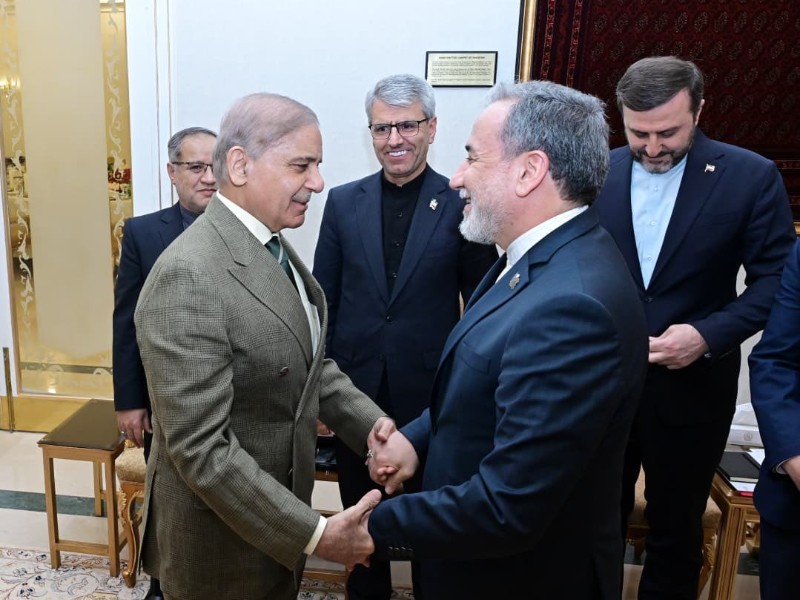
Araghchi met Prime Minister Shehbaz Sharif, Foreign Minister Ishaq Dar and Army Chief Asim Munir during his visit.
The Pakistani Prime Minister’s Office released visuals of the meeting, indicating discussions focused broadly on the regional situation.
However, officials did not provide specific details regarding the agenda or outcomes.
US delegation expected, but talks uncertain
A US delegation led by Steve Witkoff and Jared Kushner is expected to arrive in Islamabad for the proposed second round of talks.
Despite this, Iranian authorities have not indicated readiness for direct engagement with the United States, maintaining a cautious stance on formal negotiations.
Pakistan’s mediation role
Pakistan has positioned itself as a mediator, facilitating communication between Tehran and Washington.
Iran has used Islamabad as a channel to convey its proposals and positions to the United States.
The country’s diplomatic outreach reflects its engagement with multiple stakeholders involved in the ongoing regional tensions.
Hormuz dispute drives stalemate
The standoff between the two sides has intensified following the US naval blockade of Iranian ports, introduced after Iran restricted passage through the Strait of Hormuz.
The waterway, which carries a significant share of global energy supplies, has become a central point of contention, contributing to the breakdown in negotiations.
Fruitless first round
The first round of talks held on April 11 ended without agreement.
Iranian officials cited what they described as extensive demands, including halting uranium enrichment, surrendering stockpiles, limiting regional alliances and permitting US control over maritime routes.
These issues continue to remain unresolved, shaping the agenda for any future negotiations.
US position and strategic messaging
US President Donald Trump has extended the ceasefire period while announcing a delegation to pursue diplomatic engagement.
Meanwhile, Defence Secretary Pete Hegseth has urged Iran to reach a comprehensive agreement addressing nuclear disarmament through verifiable measures.
Iran’s conditions for talks
Iran has maintained that any renewed negotiations must address its core interests, including the lifting of the naval blockade.
Officials have described the blockade as an act of aggression and linked it directly to their willingness to re-enter talks.
Tehran has also reiterated its position against accepting what it considers excessive or unilateral demands.
Diplomatic outlook remains unclear
With the conflict entering its ninth week, the future of US–Iran engagement remains uncertain.
The absence of clarity over direct talks in Islamabad has added to concerns over whether diplomatic channels can move forward or remain stalled in the coming days.