
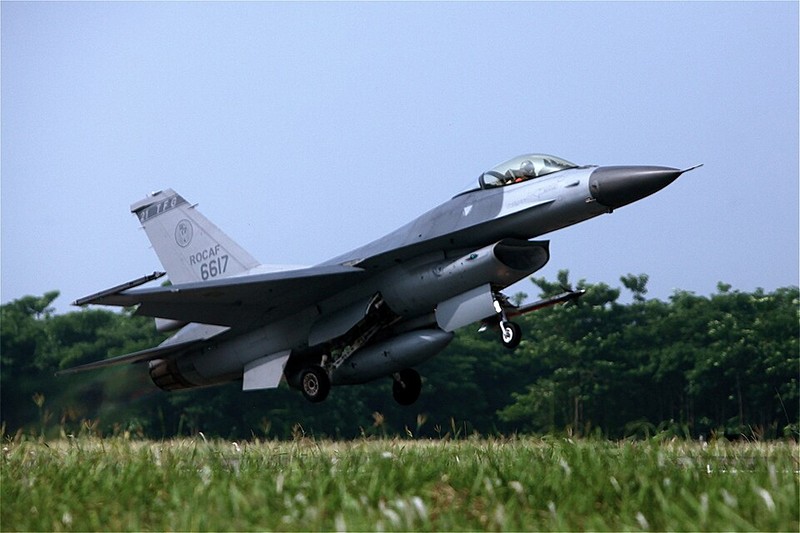
The assessment comes amid rising concern in Taipei that Beijing could abruptly turn routine military drills into real combat operations, catching Taiwan and its international partners unprepared.
Decentralised command key to rapid response
According to the defence ministry, all military units are trained to function under a decentralised command structure in the event of an unexpected assault.
Decentralised command key to rapid response
According to the defence ministry, all military units are trained to function under a decentralised command structure in the event of an unexpected assault.
If Chinese exercises were to escalate “from drill to war”, frontline units would be authorised to carry out combat missions instantly, without awaiting orders from higher headquarters.
The ministry said established procedures are already in place to quickly raise combat readiness levels should the security situation deteriorate.
China’s growing military pressure around Taiwan
China conducts military operations around Taiwan almost every day, activities that Taipei describes as “grey zone” tactics.
The ministry said established procedures are already in place to quickly raise combat readiness levels should the security situation deteriorate.
China’s growing military pressure around Taiwan
China conducts military operations around Taiwan almost every day, activities that Taipei describes as “grey zone” tactics.
These manoeuvres stop short of open conflict but are designed to exhaust Taiwan’s armed forces by keeping them in a constant state of alert.
The defence ministry noted that the scale and frequency of Chinese military activity have steadily increased, including regular “joint combat readiness patrols” involving multiple branches of the People’s Liberation Army.
Drills shifting towards real combat scenarios
Taiwan’s report also warned that China is no longer limiting itself to symbolic exercises.
The defence ministry noted that the scale and frequency of Chinese military activity have steadily increased, including regular “joint combat readiness patrols” involving multiple branches of the People’s Liberation Army.
Drills shifting towards real combat scenarios
Taiwan’s report also warned that China is no longer limiting itself to symbolic exercises.
Beijing has been practising potential attack scenarios and deploying naval vessels deeper into the Pacific Ocean, extending operations towards Australia and New Zealand.
The ministry said Chinese forces are increasingly conducting multi-service, combat-oriented training, underscoring Beijing’s refusal to rule out the use of force to bring Taiwan under its control.
Sovereignty dispute remains unresolved
Beijing claims democratically governed Taiwan as its own territory, a position firmly rejected by Taipei.
The ministry said Chinese forces are increasingly conducting multi-service, combat-oriented training, underscoring Beijing’s refusal to rule out the use of force to bring Taiwan under its control.
Sovereignty dispute remains unresolved
Beijing claims democratically governed Taiwan as its own territory, a position firmly rejected by Taipei.
Taiwan’s government maintains that only the island’s population has the right to decide its future.
Defence Minister Wellington Koo is scheduled to brief lawmakers and respond to questions on the report later this week, as cross-strait tensions continue to dominate regional security discussions.
Defence Minister Wellington Koo is scheduled to brief lawmakers and respond to questions on the report later this week, as cross-strait tensions continue to dominate regional security discussions.