
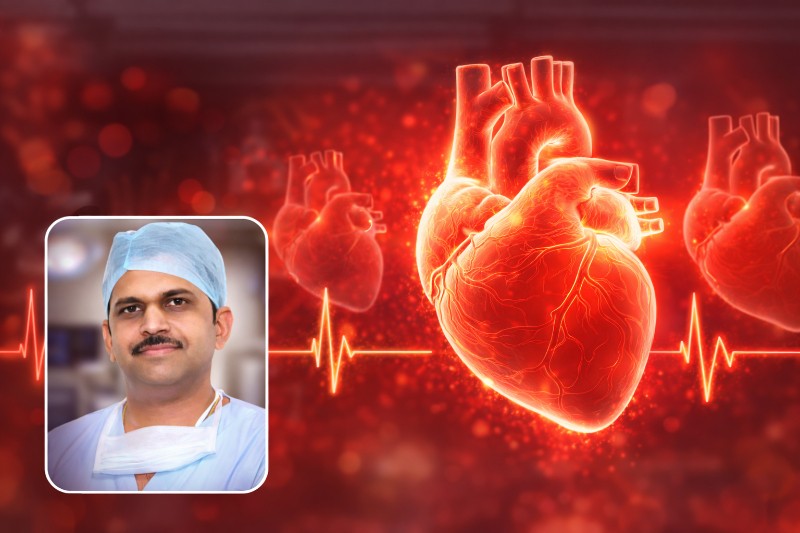
At just 53, Dr Pakhmode was fitness-conscious and had undergone a routine ECG only three days earlier, which reportedly showed no abnormalities.
Yet he collapsed around 6 am and could not be revived despite reaching the hospital in time.
His passing has shifted the conversation from familiar cardiac markers like cholesterol, blood sugar, and ECG reports to the less visible risks that standard tests may not capture.
When fitness and routine tests aren’t enough
For many people, a normal ECG and a healthy lifestyle offer reassurance that their heart is safe.
Dr Pakhmode’s case challenges that assumption.
According to cardiologists, an ECG primarily records the heart’s electrical activity at a given moment.
It does not always detect dangerous plaque buildup in the arteries or predict an impending blockage, especially if the event has not yet caused muscle damage.
In some cases, severely restricted blood flow can exist without clear ECG changes, a condition known as unstable angina.
This means a person may be at high risk of a heart attack even when routine tests appear normal.
Stress: The silent trigger among high-pressure professionals
Doctors say chronic stress may be one of the most underestimated cardiac risk factors, particularly among medical professionals.
Dr Ranjan Shetty, lead cardiologist and medical director at Sparsh Hospital in Bengaluru, notes that long working hours, poor sleep and burnout significantly increase heart attack risk, even when other health indicators are normal.
Stress leads to persistent inflammation, weakening blood vessel walls and allowing LDL or “bad” cholesterol to penetrate and form plaques more quickly.
Over time, this accelerates artery damage, raising the likelihood of a sudden blockage.
Why left artery blockages are especially dangerous
One of the deadliest scenarios involves the left main coronary artery or the Left Anterior Descending (LAD) artery.
A complete blockage here can cut off nearly half of the heart’s oxygen supply.
This not only damages a large portion of the heart muscle but can also disrupt the heart’s electrical rhythm, triggering fatal arrhythmias or sudden cardiac arrest.
Even advanced interventions like angioplasty or ECMO support may fail if the damage is extensive or occurs too rapidly.
How stress hormones push the heart to breaking point
Chronic and acute stress both play a role in triggering heart attacks.
Stress hormones such as adrenaline increase heart rate and blood pressure, placing extra demand on the heart.
Cortisol raises blood sugar, cholesterol and triglyceride levels, compounding the risk.
In the short term, a surge of adrenaline can rupture existing plaques in the arteries.
This leads to clot formation, which can suddenly block blood flow and cause a heart attack, even in someone who seemed healthy days earlier.
Why are early morning heart attacks more common
Dr Pakhmode’s collapse at around 6 am fits a well-documented pattern.
Between 3 am and 6 am, the body naturally releases cortisol and adrenaline to prepare for the day.
This hormonal surge increases blood pressure and heart rate while making blood more prone to clotting due to dehydration and reduced clot breakdown.
For individuals already under chronic stress or with undetected plaque buildup, this early-morning window can be particularly dangerous.
Symptoms doctors often ignore in themselves
Ironically, medical professionals may dismiss warning signs in their own bodies. Unexplained fatigue, mild chest discomfort, nausea or light-headedness are often brushed off as exhaustion.
In high-stress professions, this tendency to push through symptoms can delay life-saving intervention.
Hypertension driven by stress further damages artery walls, creating a vicious cycle of hormonal imbalance and cardiovascular strain.
What this tragedy teaches about heart health
Dr Chandrashekhar Pakhmode’s death underscores a sobering reality: heart attacks do not always announce themselves through abnormal reports or visible risk factors.
Stress, burnout, hidden arterial plaques and early-morning hormonal surges can combine with devastating speed.
For health-conscious individuals and professionals alike, the case serves as a reminder that cardiac risk assessment must go beyond routine tests — and that listening to the body may be just as critical as reading a report.