
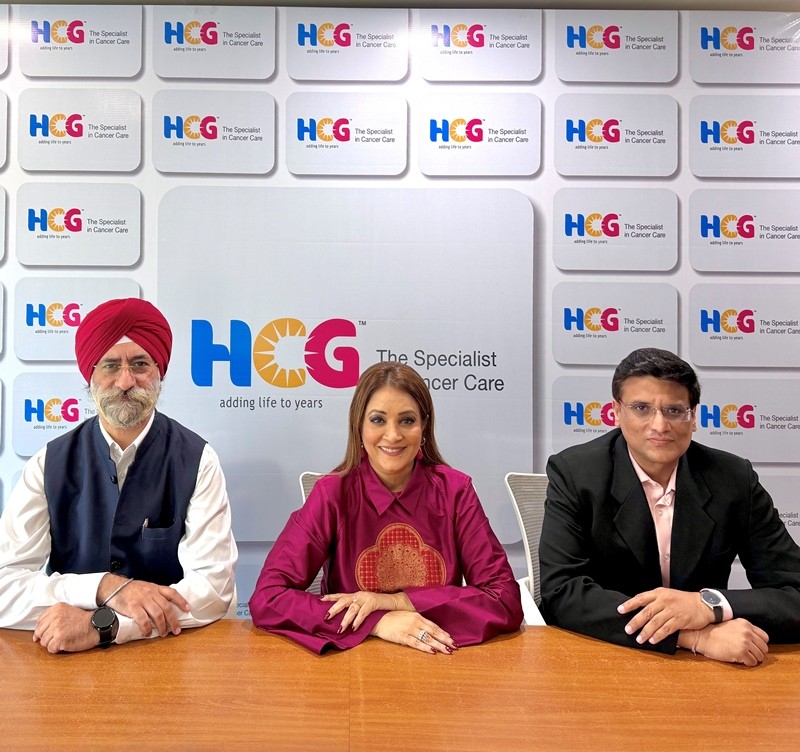
The procedure combined organ preservation with robotic-assisted lymph node removal — a combination that specialists say is rarely attempted in this part of the country.
Stage T2 penile cancer indicates that the tumour has penetrated deeper connective tissues, often causing symptoms including foul-smelling discharge, bleeding, phimosis and sexual dysfunction, alongside significant psychological distress including anxiety and depression.
Historically, such cases were managed through open surgery, which carried high risks of severe scarring, prolonged hospitalisation and post-operative complications such as lymphedema.
"By utilising an advanced robotic-assisted surgical system, the oncology team was able to cross the traditional hurdles of this type of surgery. The robotic arms exceed the capability of human hands, allowing surgeons to successfully remove the cancer-affected tissues," said Dr. Gaurav Aggarwal, Head of Department and Senior Consultant in Uro-Oncology and Robotics at HCG Cancer Hospital, Kolkata.
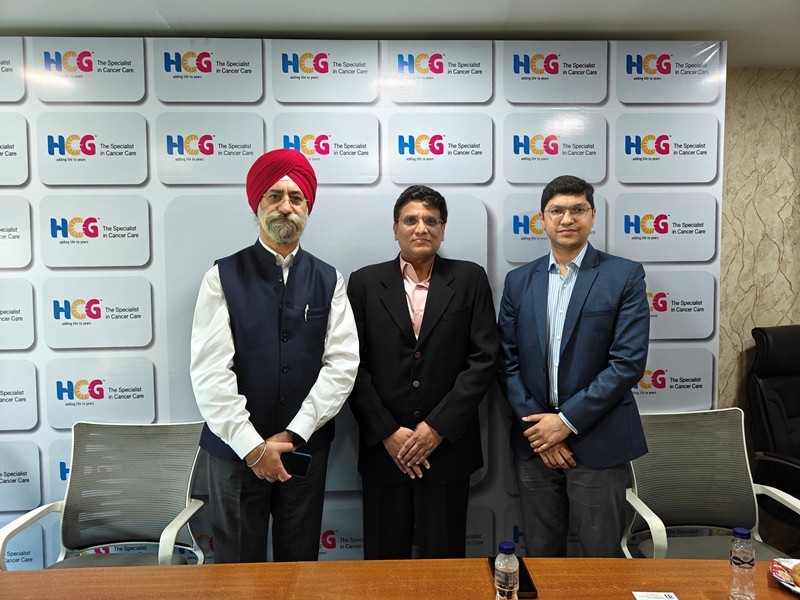 Dr. Aggarwal with CCO Gurvinder Singh and junior consultant Dr. Suvraraj Das. Photo: IBNS
The surgery was performed through incisions of just 8mm with minimal blood loss. The patient, who had developed phimosis, was able to walk by the third day following the operation — a recovery timeline that would have been difficult to achieve through conventional open surgery. Dr. Aggarwal confirmed that the patient has since completed three weeks of follow-up and has been declared medicine-free.
"Our main goal was to cure the penile cancer, which we successfully achieved," Dr. Aggarwal said.
HCG Cancer Hospital in Newtown says the procedure — uncommon in eastern India — removed tumour and lymph nodes while preserving the organ
The hospital's Chief Operating Officer Gurvinder Singh flagged a growing public health concern around the disease. Penile cancer, while relatively uncommon globally, is rising in India — with approximately 3.3 cases per 100,000 men and nearly 10,000 new cases reported annually. Experts attribute the trend partly to poor hygiene, but also to the social stigma that prevents many patients from seeking timely medical attention.
To address early detection, HCG Kolkata is launching a 'Fastrack Friday' initiative under which patients can be examined and receive a preliminary cancer assessment within a week.
On the question of cost, Dr. Aggarwal told IBNS that the surgery is priced at approximately Rs 2–3 lakh, which falls within the coverage range of most standard health insurance policies.
He noted, however, that robotic surgery is currently not covered under West Bengal's Swasthya Sathi scheme — a gap he indicated needs to be addressed as the technology becomes more widely adopted.
The case, doctors say, underlines a broader shift in cancer care availability. Patients in eastern India no longer need to travel to metros like Delhi or Mumbai — or abroad — for complex oncological procedures. The focus at HCG, Dr. Aggarwal emphasised, is not only on removing cancer but on protecting the patient's quality of life in the years that follow.
(Reporting by Rajat Dhar)