
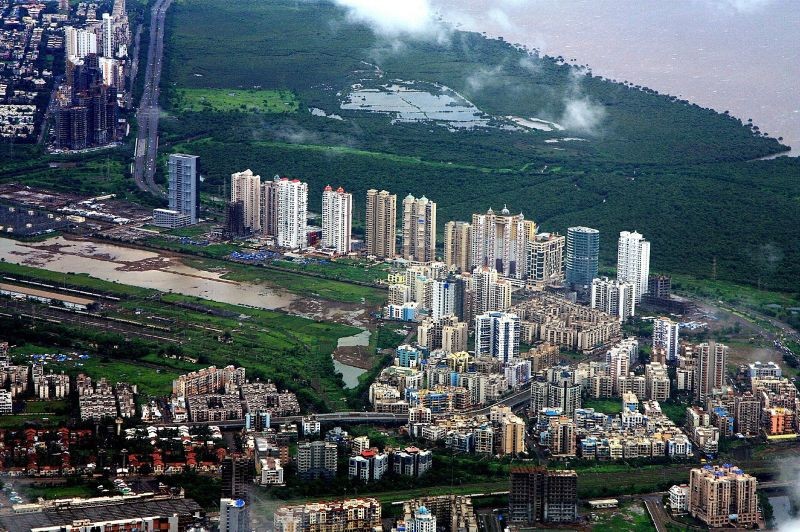
Surat secured the second position, followed by Vijayawada in third place. The annual survey, conducted by the Union Ministry of Housing and Urban Affairs, saw participation from more than 4,700 urban local bodies across the country.
President Droupadi Murmu presented the awards to the winners at a ceremony held on Thursday.
Why Indore was moved to a different category
Indore, which had dominated the national cleanliness rankings for eight consecutive years, featured in a separate category this time under the Centre's newly introduced 'Swachh Shehar Jodi' initiative.
The city secured the second position in the Mentor City category alongside its partner town, Depalpur.
Ahmedabad topped this category with its partner town Sanand, while Tirupati and its partner Kuppam secured the third position.
The initiative aims to encourage better sanitation practices by pairing high-performing cities with other urban centres and helping them improve their cleanliness standards.
Cleanest cities in different population categories
Among cities with a population exceeding 10 lakh, Greater Visakhapatnam secured the top position.
Ujjain emerged as the cleanest city in the 3 lakh to 10 lakh population category.
In the 50,000 to 3 lakh population category, Madhya Pradesh's Dewas topped the rankings, while the New Delhi Municipal Council (NDMC) secured second place. Sagar, also in Madhya Pradesh, finished third.
Among cities with populations between 20,000 and 50,000, Maharashtra's Vita secured the first position, followed by Aska in Odisha and Panaji in Goa.
Rewa, Puri and Rudrapur lead special categories
Madhya Pradesh's Rewa was named India's cleanest riverfront town, followed by Bilaspur and Varanasi.
In the Swachh Coastal Town category, Odisha's Puri secured the first position. Kerala's Alappuzha came second, while Maharashtra's Ratnagiri finished third.
Rudrapur was named the cleanest Himalayan city, followed by Jammu in second place and Shopian in third.
How Swachh Survekshan 2025-26 was conducted
This year's cleanliness survey carried the theme 'Swachhata Ki Nayi Pehel - Badhayein Haath, Karein Safai Saath'.
According to the Housing and Urban Affairs Ministry, more than 3,000 trained assessors conducted extensive on-ground evaluations across the country, supported by real-time GPS-enabled monitoring.
The assessment process was entirely digital, with evidence submission and verification supported by transparency measures and rigorous quality checks.
Mentee cities show improvement in cleanliness indicators
The ministry also highlighted improvements in the performance of cities participating in the mentorship initiative between Swachh Survekshan 2024-25 and 2025-26.
Visible Cleanliness scores among mentee cities increased from 48 per cent to 70 per cent, while Door-to-Door Waste Collection improved from 52 per cent to 74 per cent.
Other key indicators also recorded progress:
Source Segregation: Increased from 16 per cent to 30 per cent.
Access to Sanitation: Improved from 11 per cent to 38 per cent.
Used Water Management: Increased from 32 per cent to 53 per cent.
Advocacy for Swachhata: Rose from 48 per cent to 66 per cent.
The ministry attributed the improvements to mentorship from high-performing cities, strengthened sanitation systems and better delivery of urban services.