
Nano-plastics are a global concern and are increasingly being detected inside the human body. But their exact effects remain poorly understood.
While many studies had focused on how plastics pollute the environment or damage host tissues, almost nothing was known about their direct impact on beneficial gut microbes that are central to human health.
Gut microbes are key to protecting our health as they regulate immunity, metabolism, and even mental well-being and hence it is crucial to understand what happens when they themselves are exposed to nano-plastics.
A team from Institute of Nano Science and Technology, Mohali (INST), an autonomous institute of the Department of Science and Technology (DST) conducted a multi-system investigation, looking not only at gut bacteria but also at red blood cells and human epithelial cells, aiming to connect environmental plastic pollution with its hidden but potentially profound consequences for human health.
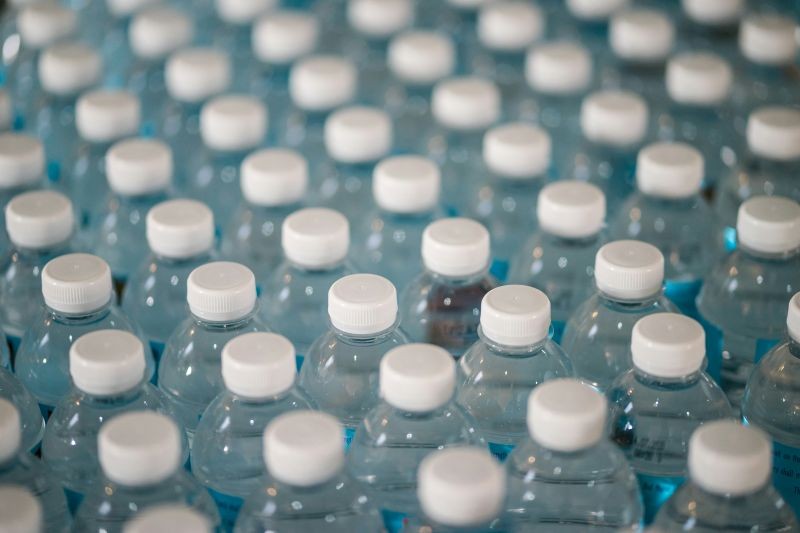
They recreated Nano-plastics from pet bottles in the laboratory and tested them across three key biological models.
A beneficial gut bacterium Lactobacillus rhamnosus, was used to see how nano-plastics affect the microbiome.
The researchers found that long-term exposure reduced bacterial growth, colonization, and protective functions, while increasing stress responses and sensitivity to antibiotics.
Red blood cells were examined to test blood compatibility. At higher concentrations, nanoplastics disrupted cell membranes and caused hemolytic changes. Human epithelial cells were also studied to represent general cellular responses. Here, prolonged exposure led to DNA damage, oxidative stress, apoptosis, and inflammatory signalling, alongside shifts in energy and nutrient metabolism.
Together, these findings explain that nano-plastics from everyday plastics are biologically active particles that can interfere with gut health, blood stability, and cellular function.
They induce DNA damage, oxidative stress, and inflammatory responses in human epithelial cells during prolonged exposure, posing risks to human health that were previously unrecognized.
This work published in the journal Nanoscale Adv. uncovers the hidden health risks of nano-plastics, which are increasingly found in food, water, and even the human body and could push industry and policy towards a healthier, more sustainable future.
Beyond human health, the insights can extend to agriculture, nutrition, and ecosystem studies, where microbial balance and plastic pollution intersect.