
There was a time, not so long ago, when the only openly gay person most of the world could name was Martina Navratilova. A tennis champion. A symbol of courage. But she was an athlete — and athletes, the thinking went, lived in a different world from politicians. Politics was power, patronage, compromise, coalition-building. Surely that was no place for someone openly gay.
That thinking is now, quietly and irreversibly, being dismantled.
June is Pride Month. This year it arrives with a more crowded hall of firsts than any previous edition. Across the world — from The Hague to Munich to New Delhi — openly gay men and women are not just marching in parades. They are running governments, sitting in parliaments, shaping millions of lives.
Not despite their identities. With them fully visible.
The World Leads the Way
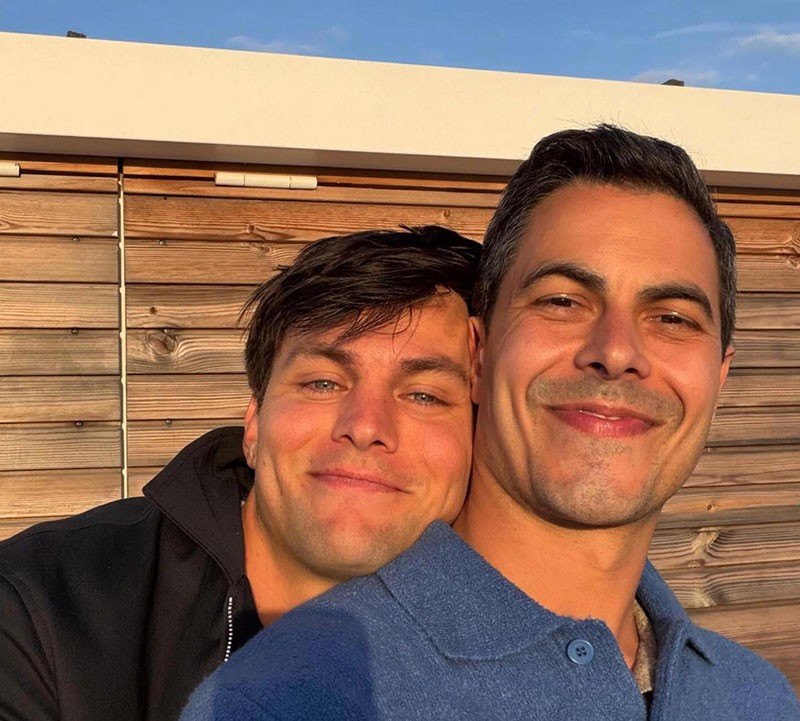
The most recent and perhaps most symbolically powerful example is Rob Jetten. In February 2026, he was sworn in as Prime Minister of the Netherlands — the youngest ever, and the first openly gay leader in the country's history.
Engaged to his Argentine fiancé Nicolás Keenan, an international hockey player, Jetten leads the centrist D66 party and heads a three-party minority coalition. He did not arrive at office on the back of an LGBTQ rights platform. He arrived on the back of policy — housing, healthcare, green energy. His sexuality was visible, unremarked upon by most voters, and entirely beside the point.
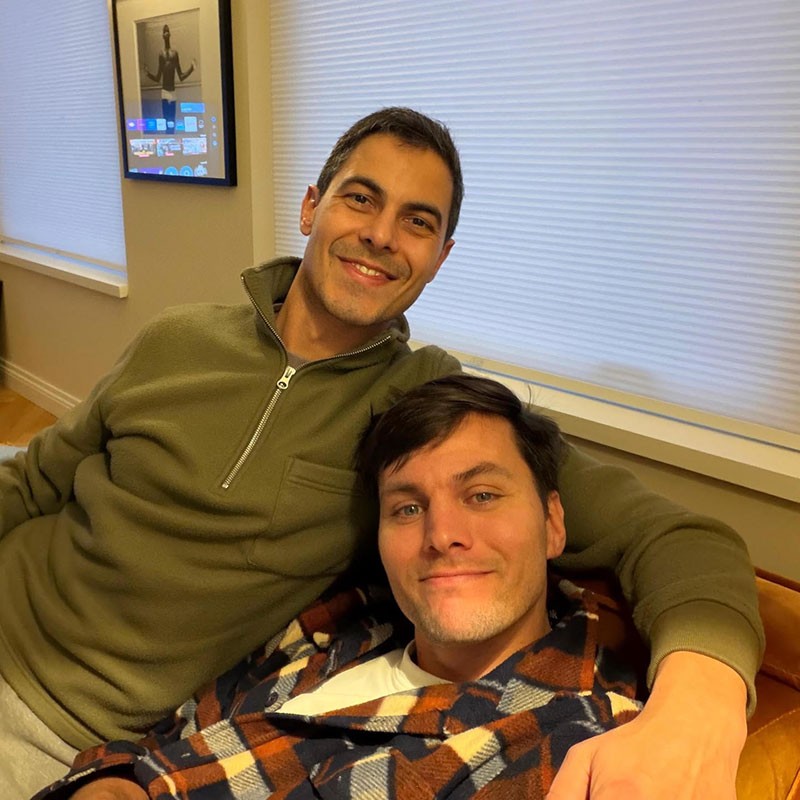 Dutch Prime Minister Rob Jetten at Home with his fiancé, Nicolás Keenan. Photo: Rob Jetten FB
That, more than anything, is the signal.
Less than a month later, Munich sent a message of its own. Dominik Krause, 35, became the city's first openly gay mayor, defeating a Social Democratic Party incumbent whose party had held power almost continuously since 1948. Krause marked his victory with a public kiss shared with his fiancé, physician Sebastian Müller — a moment that went around the world.
"What matters is who has the best ideas, and the will to give Munich the urgently needed push for modernisation," he had written, pointedly placing competence above identity. The win carried particular symbolic weight in Bavaria — a region long defined by its deeply rooted Catholic traditions and conservative instincts.
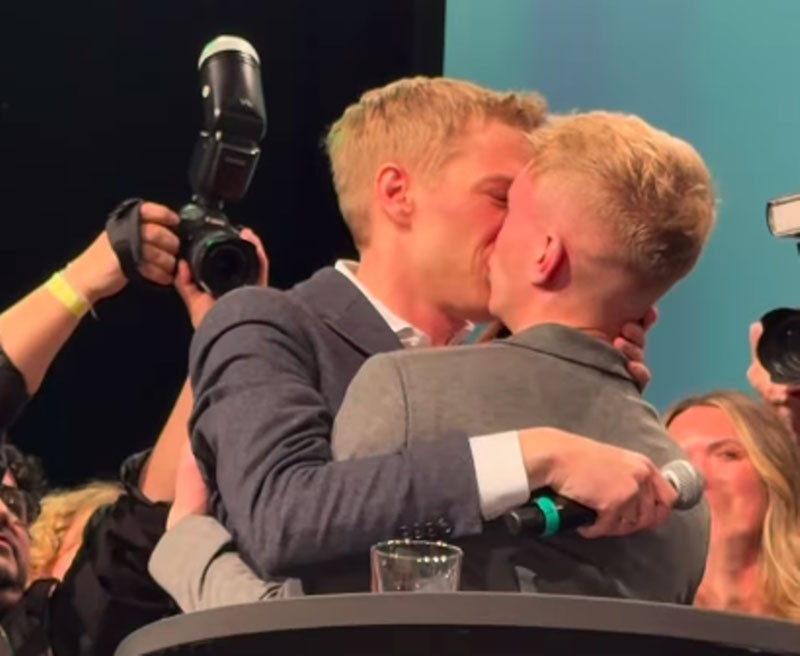 Dominik Krause celebrated his victory with a public kiss shared with his fiancé, physician Sebastian Müller. Photo: Instagram Screenshot
Ireland had shown the way earlier. Leo Varadkar became Taoiseach in 2017 — son of an Indian immigrant father, openly gay, leading one of Europe's most traditionally Catholic nations. Serbia's Ana Brnabić became her country's first openly lesbian prime minister the same year. When she entered government, she told the Associated Press she hoped her sexuality would "blow over in three or four days" — and then she got on with governing.
France's Gabriel Attal became the youngest and first openly gay prime minister in 2024. The pioneer, though, remains Iceland's Jóhanna Sigurðardóttir — the world's first openly LGBTQ head of government, elected in 2009, who married her long-time partner the following year, the very year Iceland legalised same-sex marriage. She did not just represent a community. She changed the law for it.
Women are part of this roll call too — though in smaller numbers. Tammy Baldwin became the first openly gay member of the United States Congress in 1998. In 2012, she became the first openly gay person elected to the Senate. The arc from Navratilova to Baldwin to Sigurðardóttir to Brnabić is not a straight line. It is messy, geographically uneven, still largely a Western phenomenon. But it is undeniable.
India Steps Into the Light
India, by its own standards, is catching up — and in ways unimaginable a decade ago. In April 2026, constitutional lawyer Menaka Guruswamy became the first openly LGBTQIA+ person to sit in India's national parliament, taking her oath as a Rajya Sabha member from West Bengal on a now crisis-ridden Trinamool Congress ticket.
This is the same Guruswamy who, in 2018, stood before a five-judge constitutional bench and argued for the striking down of Section 377 — the colonial-era law that had criminalised homosexuality since 1861.
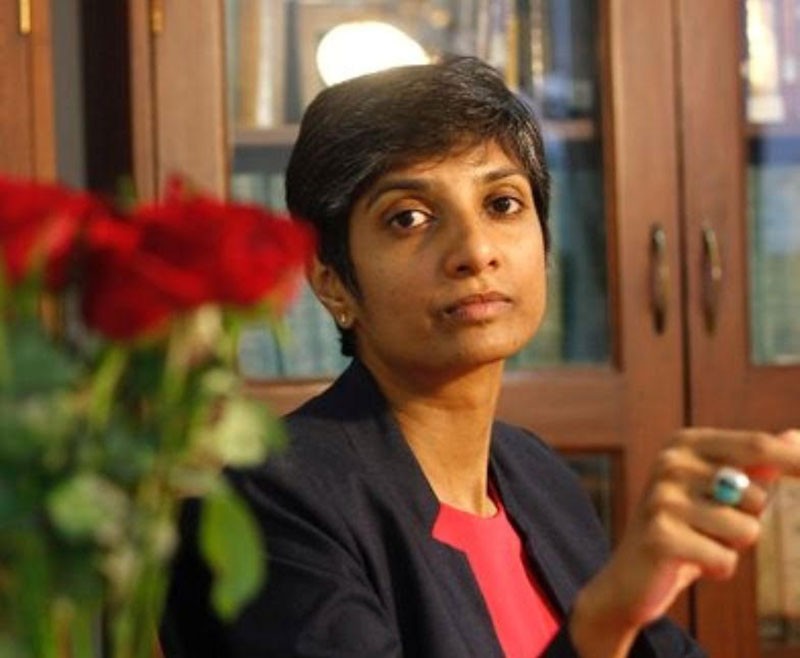 Menaka Guruswamy is India's first openly queer Member of Parliament. Photo: Official X page
Following that landmark victory, she and her partner and fellow lawyer Arundhati Katju were named among Time Magazine's 100 Most Influential People of 2019. She is now a lawmaker. The woman who argued for a community's right to exist is inside the institution that makes the laws.
Before her, there was Anish Gawande. Columbia-educated, Oxford-trained, a writer and activist appointed national spokesperson of the NCP (Sharadchandra Pawar faction) in August 2024 — becoming the first openly gay individual to hold that position in any major Indian political party. He was 25. "I hope this role encourages other young queer individuals to come out and pursue their dreams," he said. The candour was not performance. It was policy.
Gawande pushed back on the "first gay politician" label with characteristic sharpness. "Today queerness sells, so let it sell. It is misleading because I am not the first queer politician." He is right to complicate the narrative. India has had queer politicians before — Shabnam Mausi, Madhu Bai Kinnar — but they were transgender women, operating largely outside the mainstream party system. What is new is the mainstream party itself stepping forward. That is a different thing entirely.
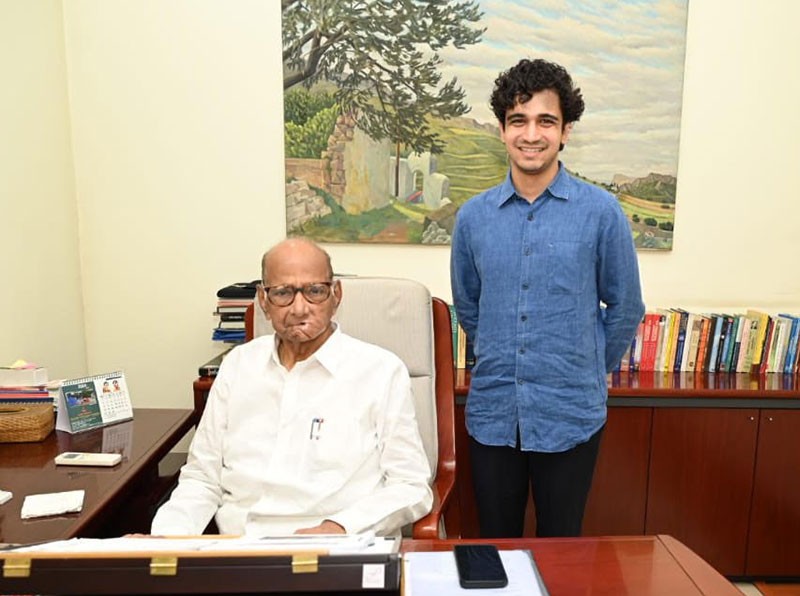 Columbia-educated, openly gay Anish Gawande has been appointed national spokesperson of the NCP (Sharadchandra Pawar faction). Photo: Gawande X handle
The world these politicians inhabit is still deeply unequal. In more than 60 countries, homosexuality remains criminalised. Across much of the Muslim world — from Pakistan to Saudi Arabia to Indonesia — being openly gay is not merely a political liability. It is a matter of survival. In Russia and large parts of Africa, the environment has actively worsened. The idea of a gay prime minister is not just distant in these places. It is incomprehensible.
But the incomprehensible has a habit of becoming the unremarkable. In 2026, a city online debated whether Munich's first openly gay mayor was actually still news. Many questioned why his sexuality made headlines at all. Which is, in itself, a form of progress.
That is perhaps the clearest measure of how far things have come since Navratilova stood alone, racket in hand, in a world that had no language for what she represented in politics. The language exists now. The politicians exist. And increasingly, so does the electorate that simply does not care — because it is watching the housing crisis, the healthcare queue, the climate numbers.
That, too, is a kind of arrival.