
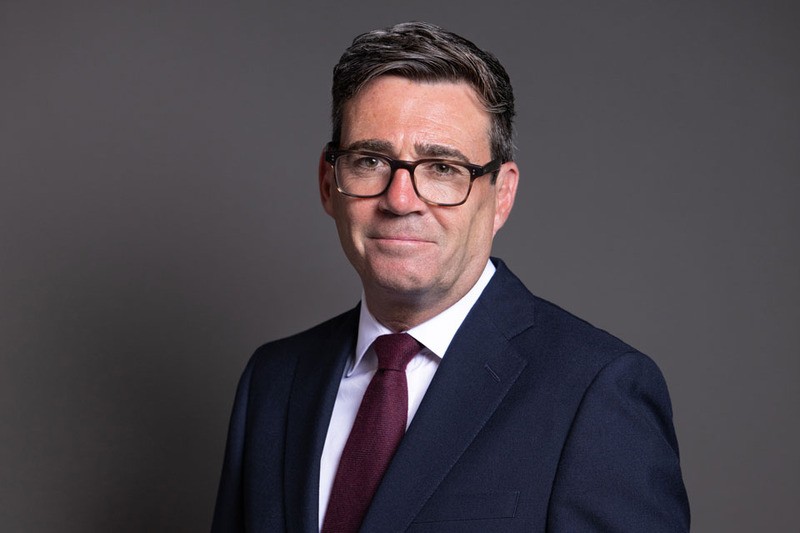
Burnham, who succeeds Keir Starmer, said Britain had experienced years of political instability, noting he was the seventh prime minister since 2016 and the sixth to take office in the past decade.
Burnham in a statement said that his government would mark a "circuit breaker for Britain" through sweeping political and economic reforms.
Speaking outside 10 Downing Street after returning from Buckingham Palace, Burnham acknowledged growing public frustration with politics and vowed to rebuild trust in government.
"I know people at home are fed up with politics," Burnham said. "We have not been good enough, and we need to be better."
The new prime minister outlined plans to devolve more powers to local communities, expand public control over essential services, support British industry through public procurement and unveil a 10-year national strategy later this year.
He also pledged immediate measures to ease cost-of-living pressures and increase support for employment, housing and mental health.
According to a statement, Burnham, in his first act in office, instructed his government to begin work on ending long-term rough sleeping across the United Kingdom, backed by an initial £340 million investment.
The funding is expected to provide 1,200 homes and intensive support for at least 3,000 people as part of a broader five-year programme.
Burnham was elected Labour Party leader on July 16 after Starmer announced his resignation following weeks of political pressure, declining public support and internal party divisions.
Starmer had said he would remain in office until Labour selected a successor.
A very warm welcome to Downing Street, Prime Minister @andyburnham. pic.twitter.com/ljUWR2s9il
— UK Prime Minister (@10DowningStreet) July 20, 2026
A former health secretary, Burnham served as Mayor of Greater Manchester from 2017 until returning to Parliament in 2026. During his time as mayor, he oversaw the return of Manchester's bus network to public control and championed regional devolution.
In his inaugural address, Burnham called for national unity, saying Britain must "regain our stability once again" and restore confidence in politics and government.