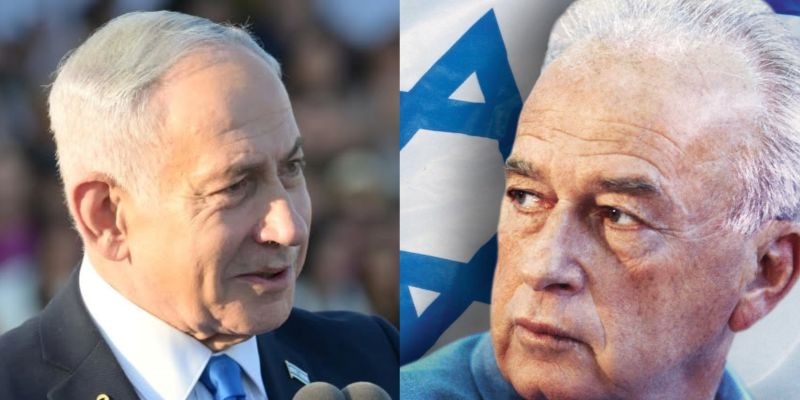
Herzog held a second round of consultations on Thursday after neither Netanyahu's Likud Party nor the Yashar Party, led by former military chief Gadi Eisenkot, secured a majority.
Although Netanyahu's party won the highest number of seats, Eisenkot has received more recommendations from elected members to form the next government.
Eisenkot secures more recommendations
According to reports, Eisenkot has secured the backing of 67 elected members, compared with 46 for Netanyahu while seven abstained.
The mandate is traditionally given to the leader who receives the highest number of recommendations from elected representatives.
In this case, Eisenkot has emerged with the strongest backing, with Arab parties securing an unprecedented 19 seats and supporting his bid to replace Netanyahu.
"The results of the consultations may appear clear, but the authority vested in me by law is to determine who has the ability to form a government, and that is not entirely clear, given the mutual vetoes between the blocs and within the blocs themselves," Herzog said, as quoted by NDTV.
"I will try to determine this directly and quickly, in personal talks with some of the party leaders," he added.
Arab parties' backing complicates government formation
Although the two Arab parties, which together hold 19 seats, have backed Eisenkot, the path to forming a government remains complicated.
Right-wing party Yisrael Beiteinu has reportedly indicated that it would not join a government supported by the Arab political blocs.
Herzog is expected to announce his decision on Sunday following consultations with political leaders.