
The reported outreach comes despite the absence of diplomatic relations between Saudi Arabia and Israel and Riyadh's longstanding refusal to formally recognise Israel as an independent state.
According to Tel Aviv-based The Jerusalem Post, Saudi Arabia and Israel held discussions, mediated by CENTCOM, over intelligence support aimed at helping Riyadh respond to threats posed by Houthi militants.
A separate report by Israel Hayom said Saudi Crown Prince and Prime Minister Mohammed bin Salman had also sought assistance from other Gulf countries and Egypt as the Houthi campaign intensified.
Riyadh seeks intelligence support
According to Israel Hayom, Mohammed bin Salman approached Israel indirectly through CENTCOM, seeking intelligence concerning threats around the Bab el-Mandeb Strait.
The reported contact highlights the severity of the situation facing Riyadh after Houthi forces expanded their presence along Yemen's Red Sea coastline and around strategic maritime routes.
Saudi Arabia has no diplomatic relations with Israel, making any reported security contact between the two countries particularly significant.
However, the reports indicate that Riyadh's immediate concern is the growing threat to its territory, energy infrastructure and maritime interests rather than a formal change in its diplomatic position towards Israel.
The reported Israeli assistance is expected to remain largely focused on intelligence rather than direct military intervention.
Pakistan draws a red line
Saudi Arabia's search for external assistance comes as Pakistan, one of its partners under the Mecca Defence Alliance with Turkey, has reportedly ruled out sending military assets to Yemen to fight the Houthis.
Islamabad has instead indicated that Pakistani forces could be deployed to protect Saudi territory if required, while distinguishing between defending the kingdom and taking part in combat operations on foreign soil.
The reported position leaves Riyadh with fewer options for securing its interests in Yemen at a time when Houthi forces have rapidly expanded their control over strategically important areas.
The United States and Britain have also reportedly ruled out direct strikes against Ansar Allah forces in Yemen. Washington has offered intelligence support, while London has offered military advisers.
Houthi offensive changes situation
The latest crisis followed weeks of intermittent Houthi drone and missile attacks targeting Saudi energy infrastructure.
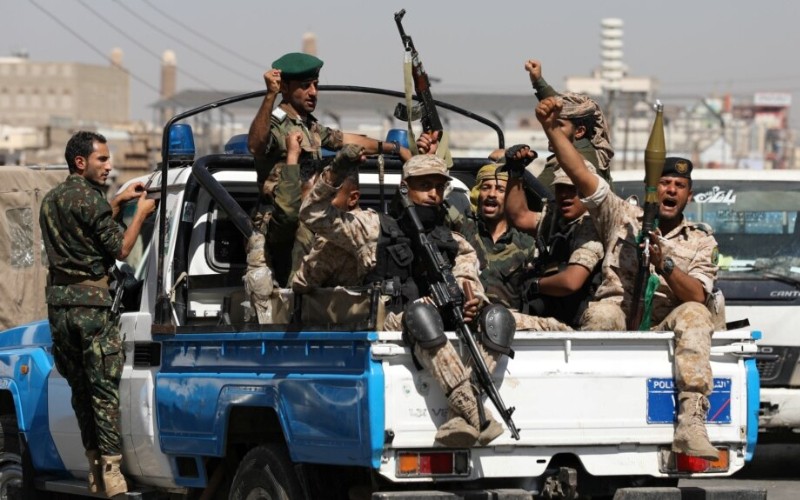
The situation escalated sharply last week when Ansar Allah forces launched a surprise offensive in Yemen, overwhelming opposition from the Saudi-backed National Resistance Front.
The offensive reportedly allowed the Houthis to seize substantial stretches of Yemen's Red Sea coastline as well as islands near the Bab el-Mandeb Strait.
Houthi leaders subsequently announced that their blockade of Saudi shipping, which has reportedly been in place since July, would continue.
According to the reports, vessels belonging to other countries, including the United States, would continue to be permitted to pass through the strategically important waterway.
The developments have increased concerns over Saudi Arabia's ability to maintain uninterrupted maritime access for its energy exports.
Bab el-Mandeb becomes critical
The Bab el-Mandeb Strait, whose name translates roughly as the "Gate of Tears", is a strategically important maritime passage connecting the Red Sea with the Gulf of Aden and the wider Indian Ocean.
For Saudi Arabia, control and security around the waterway have particular importance because the route provides an alternative to the Strait of Hormuz for moving energy supplies towards global markets.
The reported Houthi control of areas around the strait, combined with attacks on Saudi infrastructure, has therefore created additional pressure on Riyadh's oil-export network.
The situation could become more serious if attacks or restrictions disrupt the kingdom's extensive pipeline and maritime infrastructure, potentially affecting its ability to move crude oil to international markets.
Israel has faced Houthi threats
Israel itself has faced repeated Houthi attacks and maritime threats since the outbreak of the Gaza war in late 2023.
The Yemeni group began targeting vessels linked to Israel in the Red Sea, saying the attacks were connected to the conflict in Gaza.
The campaign subsequently contributed to wider disruption along one of the world's major maritime trade routes.
The reported Saudi approach to Israel therefore comes as the two countries face overlapping security concerns stemming from Houthi military activity.
Nevertheless, Israel Hayom reported that any Israeli involvement in assisting Saudi Arabia would likely remain limited.
The newspaper cited concerns within Israel over the possibility that direct military action against the Houthis could trigger missile attacks on Israeli population centres and create further economic disruption by affecting Red Sea shipping.
Israel weighs regional response
Haaretz reported that Israeli Defence Forces officials had recommended that any Israeli military action against Ansar Allah following the latest developments should take place as part of a broader international and regional coalition rather than through unilateral Israeli action.
Such a position would limit Israel's direct exposure while allowing it to contribute intelligence and other forms of assistance to countries facing the Houthi threat.
For Saudi Arabia, however, the reported discussions with Israel come amid a rapidly changing security environment in Yemen, where the Houthis' expanded presence along the Red Sea has raised fresh concerns over the kingdom's energy infrastructure and access to vital maritime routes.
The reported outreach to Israel also comes despite Riyadh's lack of formal diplomatic relations with Jerusalem, underscoring the extent of the security pressures created by the Houthi offensive.