
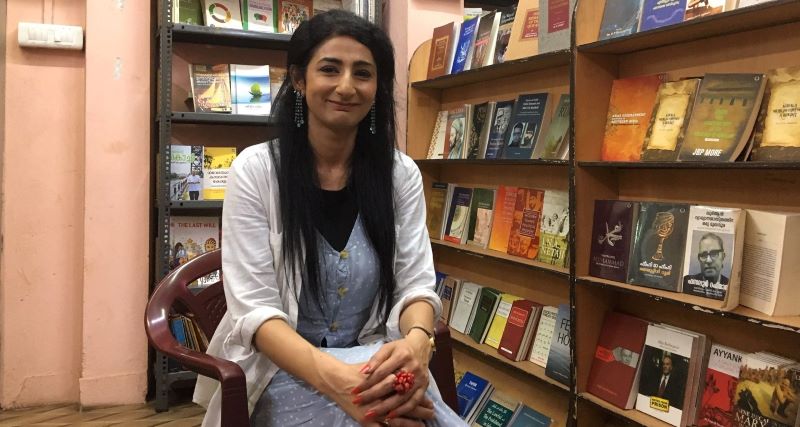
Kaul, who government sources claim was deported due to her "anti-India, pro-separatist sentiments, said she was not humiliated, and declared, "I am authoritarians fear... a thinking woman".
"Re: all the lies, I am not married to a Pakistani, not a Muslim convert, not a pawn of China, not a puppet of (the) West, not a commie (Communist), not a jihadi, not a Pak sympathiser, not a terrorist supporter, not anti-India, and not part of a gang," she posted on X (formerly Twitter).
IMPORTANT: Denied entry to #India for speaking on democratic & constitutional values. I was invited to a conference as esteemed delegate by Govt of #Karnataka (Congress-ruled state) but Centre refused me entry. All my documents were valid & current (UK passport & OCI). THREAD 1/n pic.twitter.com/uv7lmWhs4k
— Professor Nitasha Kaul, PhD (@NitashaKaul) February 25, 2024
"My experience was harrowing... but the humiliation is not mine. It is that of a ridiculous, insecure regime. What I have termed 'moral wound of colonialism' in my work is very much on display."
"Selective resurrections of past macro histories are used to manipulate present sentiment," she said.
"I urge you to think beyond walls of hate against those different from you... and to read and understand what I say and think, before rushing to condemn. It is hard but it is possible."
My experience was harrowing, but the humiliation is not mine, it is that of a ridiculous insecure regime.
— Professor Nitasha Kaul, PhD (@NitashaKaul) February 26, 2024
What I have termed “the moral wound of colonialism” in my work is very much on display in so many comments here.
Selective resurrections of past macro histories are used to…
Nitasha Kaul, a Professor of Politics, International Relations, and Critical Interdisciplinary Studies at the University of Westminster in London, also describes herself as a "Kashmiri novelist".
According to her website, her focus areas include "right-wing politics, postcolonial neoliberal nationalism, the Hindutva project in India, and the history and politics of Kashmir".
In a lengthy thread, she said spent nearly 48 hours, including 24 in a holding cell at Bengaluru airport, with "no easy access to food and water" and without a pillow or a blanket
"Officials informally made references to my criticism of RSS, a far-right Hindu nationalist paramilitary (the Rashtriya Swayamsevak Sangh is widely seen as the ruling BJP's ideological mentor) years ago..."
Rightwing #HindutvaTrolls have for years threatened me w death, rape, ban etc. In the past, authorities have sent police to my elderly ailing mother’s home to intimidate, even though I live in UK & my work has no connexion to her, a pious temple-going dezhor-wearing retired Hindi… pic.twitter.com/cV41Mr2JJ7
— Professor Nitasha Kaul, PhD (@NitashaKaul) February 25, 2024
Following Kaul's deportation, the BJP, which is the main opposition party in Karnataka, accused the Congress of inviting "a Pak sympathiser who wants India's break-up".
Congress party has disgraced Indian Constitution by inviting a Pakistani sympathiser who wants India's break up.
— BJP Karnataka (@BJP4Karnataka) February 25, 2024
Don't you have any shame left CM @siddaramaiah? Are you trying to challenge the constitution & threaten the unity & integrity of India?
It is now apparent that the… pic.twitter.com/kG0XVePHgK