
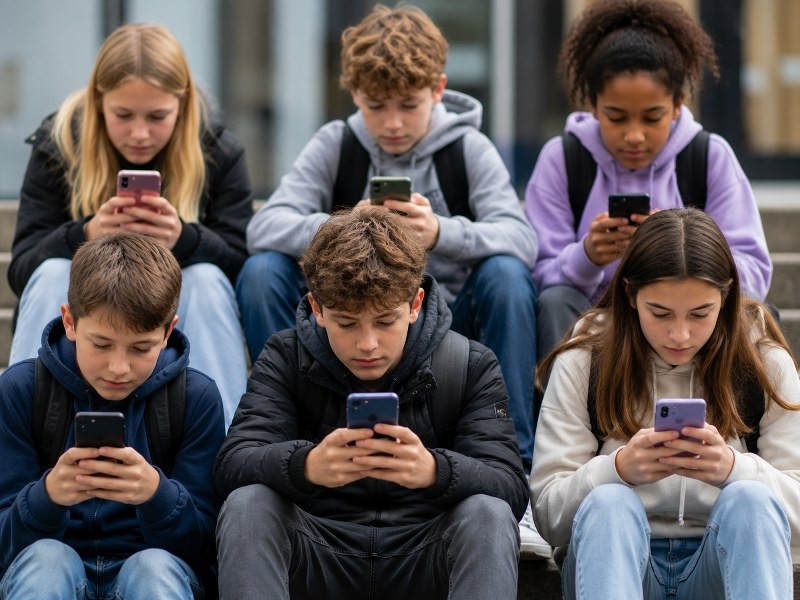
The restrictions are expected to come into force early next year.
The UK is joining a growing international push to tighten online safety rules for minors. Countries including Australia, Canada, Brazil and Indonesia have already introduced or proposed age-based social media restrictions, while several European and Asian nations are studying similar measures.
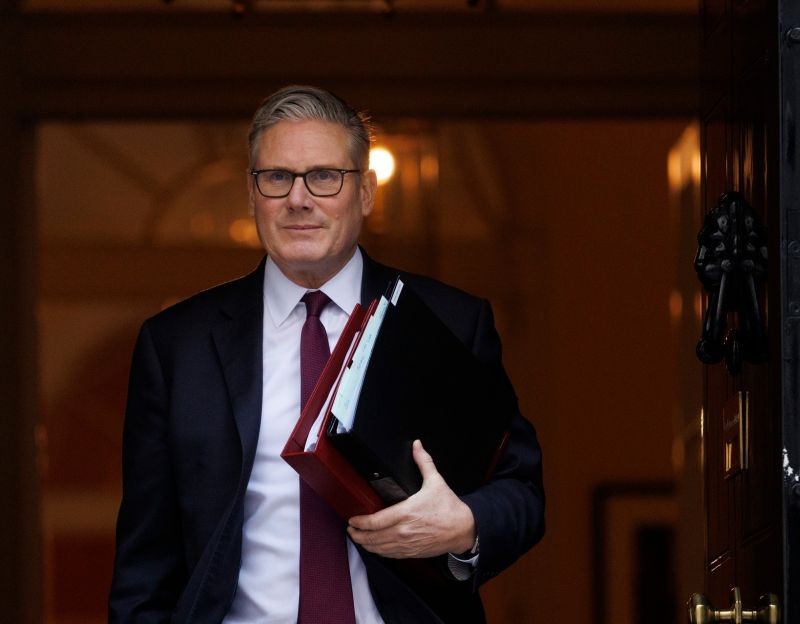
“Every parent can see it with their own eyes. Social media is making children unhappy,” Starmer said. “I’ve heard first hand from families crying out for change and we will do right by them.”
What will the UK ban cover?
The proposed ban would apply to major social media apps used by teenagers, including TikTok, Snapchat, YouTube, Instagram, Facebook, and X.
Messaging services such as WhatsApp and signal, as well as YouTube Kids, would be exempt.
Starmer said enforcement would focus on technology companies rather than punishing children.
“Teenagers drink before they should, but we do not then say, ‘in which case let us abandon any attempt to stop them buying alcohol,’” the prime minister said.
UK pans to go further than Australia
The British government said it would broadly follow the model adopted by Australia, which last year became the first country to prohibit under-16s from holding social media accounts.
Starmer, however, said the UK intends to go further with additional safeguards.
Those extra measures are expected to include:
- Restrictions on strangers contacting children through gaming and livestreaming platforms
- A ban on AI chatbots designed to simulate romantic or sexual relationships for users under 18
- Consideration of overnight curfews and mandatory breaks in infinite scrolling for minors
- The government is expected to publish more details next month.
Tech companies warn of risks
Major platforms responded cautiously to the announcement. YouTube and Meta argued that a blanket ban could push teenagers toward less-regulated corners of the internet.
A YouTube spokesperson said blanket bans could drive children away from “curated, supervised, beneficial experiences” and toward “anonymous, less-safe services.” Meta warned that teens might migrate to online alternatives without parental controls.
Starmer acknowledged that some young people would try to circumvent the rules but insisted enforcement was possible.
Public support, but questions remain
The decision follows a public consultation that drew around 116,000 responses. According to the government, more than 90% of respondents supported a ban for under-16s.
Campaigners focused on online safety welcomed the move. Ellen Roome, whose 14-year-old son died after what she believes was an online challenge, said tougher regulation was necessary.
“The tech companies, if they wanted to make changes, they could have done that by now,” Roome said. “We need to come down hard on them.”
Others, however, questioned whether the policy would work in practice. Critics pointed to Australia’s experience, where age verification has proved difficult, and argued that the deeper issue is the way recommendation algorithms amplify harmful content for young users.
Political backdrop
The announcement comes at a politically sensitive moment for Starmer, who has faced criticism from some members of his own Labour Party over his leadership.
Despite the pressure, he framed the policy as a non-negotiable issue of child protection.
“I’m not prepared to compromise on the safety and happiness of our children,” he said.